Cranford gardener comparison DIY vs professional what to know
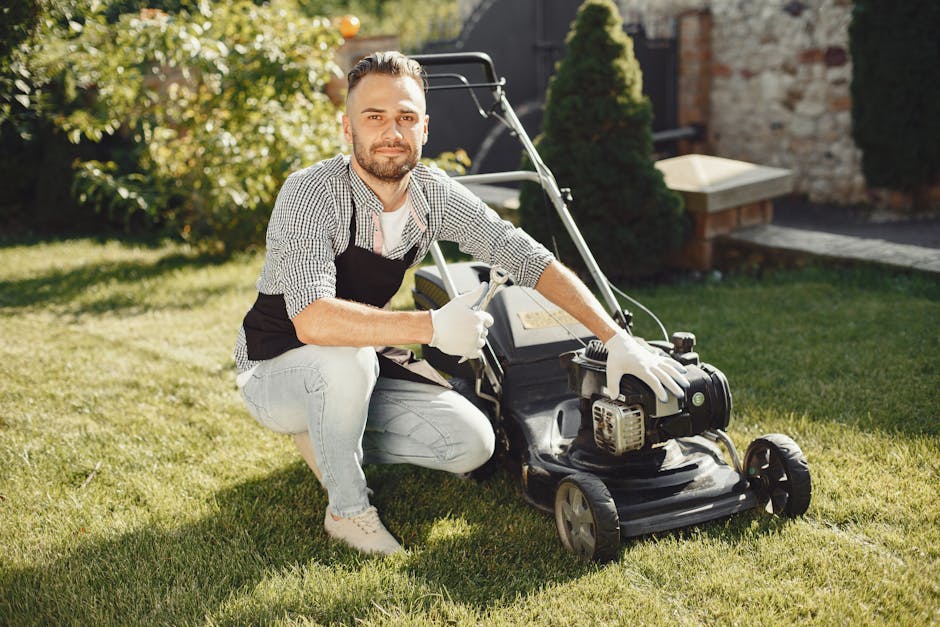
If you are trying to decide between doing the garden yourself or hiring a professional in Cranford, you are not alone. It sounds simple on paper: grab a mower, trim the hedges, and sort the borders at the weekend. But once you add time, tools, safety, garden size, and the kind of finish you want, the choice becomes a lot less obvious. This guide on Cranford gardener comparison DIY vs professional what to know breaks it down in plain English so you can make a sensible decision without second-guessing yourself.
Some jobs are perfect for a confident DIYer. Others are the kind of tasks that quietly eat your Saturday, then your Sunday too. And a few are better left to someone who does this every day. Let's face it, the garden can look lovely by Monday morning or turn into a half-finished mess that stares back at you from the window. This article will help you judge which is which.
- Why the DIY vs professional choice matters
- How each approach actually works
- Benefits of each option
- Who should choose DIY, and who should not
- Step-by-step decision guide
- Expert tips for better results
- Mistakes people make most often
- Tools, resources, and practical recommendations
- Law, compliance, and safety basics
- Comparison table
- Real-world example
- Practical checklist
- Conclusion
- Frequently asked questions
Why Cranford gardener comparison DIY vs professional what to know Matters
The core question is not really "Can I do it myself?" It is "Should I?" That small difference changes everything. A garden might only need a quick tidy, or it might need proper planning, lifting, pruning, waste removal, and a bit of judgement that comes from experience. In Cranford, where many gardens are practical but not always huge, people often underestimate how much time a decent finish takes.
This matters because the wrong choice can cost more than money. DIY can cost in lost weekends, sore backs, and uneven results. Professional work can cost more upfront, but it often saves time and reduces stress. If a job is too large, too technical, or simply awkward to manage, the professional route may be the safer and calmer option.
There is also the question of repeat value. A good gardener does not just tidy the garden once. They can help you keep it under control, spot issues early, and make small improvements that stop bigger problems later. That is especially useful if your garden gets overgrown quickly, or if you are trying to build a routine rather than just survive one spring clean.
Expert summary: DIY suits routine, low-risk garden work when you have the time and tools. A professional is usually the smarter choice for time-sensitive jobs, heavy clearance, technical pruning, and anything that raises safety or disposal concerns.
How Cranford gardener comparison DIY vs professional what to know Works
DIY gardening usually means you supply the labour, tools, planning, and waste handling. You decide what gets done, when it gets done, and how neat the result needs to be. That works well if the task is straightforward. For example, mowing a lawn, deadheading plants, weeding borders, and watering during dry spells are classic DIY jobs.
Professional gardening is different. You are paying for skill, speed, equipment, and the ability to get through the work without you having to think about every detail. A gardener may bring specialist tools, know the right cutting approach for a hedge, understand seasonal timing, and handle garden waste properly. If the garden needs more than a basic tidy, that experience starts to matter quickly.
In practical terms, the comparison usually comes down to five things:
- Time: how long the job will take you versus someone who does it regularly.
- Skill: whether the task needs more than basic gardening knowledge.
- Equipment: whether you already own the right tools.
- Risk: whether the job involves ladders, sharp tools, heavy lifting, or tree work.
- Finish: whether you want "tidy enough" or a more polished result.
For more structured help with ongoing upkeep, it can be useful to look at garden maintenance support and the wider services overview. Those pages help you see how a recurring service differs from a one-off tidy-up, which is often where people get stuck.
Key Benefits and Practical Advantages
Both choices have real advantages, and the best one depends on the job in front of you. Here is the honest version.
Benefits of DIY
- Lower cash outlay: if you already own the tools, the upfront spend can be minimal.
- Full control: you decide exactly how things are done.
- Flexible timing: you can do small jobs in short bursts when it suits you.
- Personal satisfaction: there is something quietly pleasing about a lawn you cut yourself on a crisp morning.
Benefits of hiring a professional
- Better speed: experienced gardeners tend to work efficiently and with fewer false starts.
- Cleaner results: the edge of a lawn, a hedge line, or a clearance job often looks sharper.
- Reduced physical strain: no dragging bags of waste to the kerb or wrestling with thick shrubs.
- Safer handling: especially useful for pruning, tree work, and heavier outdoor jobs.
- Less guesswork: you do not have to figure out every step on the fly.
There is also a subtle benefit people forget: momentum. Once a garden is under control, it stays easier to manage. A professional visit can be a reset point, especially after winter or before selling a property. You get back to a baseline that is much easier to keep up yourself.
And yes, sometimes the benefit is simply peace and quiet. No last-minute panic about "where did I put the strimmer charger?" or "why is this hedge suddenly taller than the fence?"
Who This Is For and When It Makes Sense
This comparison is useful for a wide range of Cranford homeowners and tenants, but it helps especially if you fall into one of these groups.
DIY makes sense if you:
- have a small to medium garden with straightforward maintenance needs
- enjoy gardening and do not mind spending time outdoors
- already own basic tools such as a mower, shears, rake, and gloves
- are happy doing routine work rather than complex pruning or clearance
- want to keep costs down and can spread the work over several weekends
A professional is likely better if you:
- need a one-off clearance after a long period of neglect
- have overgrown hedges, tangled borders, or heavy green waste
- do not have the time, tools, or energy for regular upkeep
- have a garden with awkward access or steep, hard-to-work areas
- want a consistent standard for rental, sale, or guest presentation
There is a middle ground too. Some people handle routine mowing and weeding themselves, then bring in a professional for tougher jobs like hedge shaping, seasonal clear-ups, or a larger project. Truth be told, that is often the most practical setup.
If your garden needs more than a surface tidy, services such as garden clearance, hedge trimming, or lawn mowing can fill the gap between occasional DIY and full landscaping.
Step-by-Step Guidance
If you are still unsure, work through the decision in a simple order. No drama. No overthinking. Just a sensible check.
- List the jobs that need doing. Separate the easy tasks from the awkward ones. Mowing is not the same as pruning a tall hedge or clearing years of growth.
- Estimate the time honestly. If a job will take you all day and someone else could do it in a fraction of the time, that matters.
- Check what tools you already have. Buying or renting equipment can change the cost equation fast.
- Think about physical effort. Bags of soil, branches, and cuttings are heavier than they look in the morning.
- Decide how neat the result must be. If it is for a family barbecue, a quick tidy may do. If it is for a house sale or tenancy inspection, a sharper finish may be worth it.
- Consider waste removal. A huge pile of cuttings can turn a simple project into a second job.
- Choose a hybrid approach if needed. Do the routine bits yourself and outsource the difficult parts.
A good rule of thumb: if you are confident by step three, DIY may be fine. If step four or five starts to feel uncomfortable, a professional quote is probably worth getting. No harm in that. Not at all.
Expert Tips for Better Results
Here are the little things that make a big difference, especially if you are comparing options in a realistic way rather than on paper.
1. Start with the garden's "pain points"
Do not begin with the pretty bits. Start with what is actually causing the mess: a hedge that blocks light, a lawn that has become patchy, or a corner full of cuttings and broken stems. Fixing the most visible problem first often makes the whole space feel better straight away.
2. Think in seasons, not one-off jobs
A garden in spring behaves differently from one in late autumn. Grass growth, hedge growth, and weed pressure all change through the year. A professional will usually work with those rhythms; DIYers often fight them a bit. You can work with them too, once you notice the pattern.
3. Keep the finish realistic
You do not always need a show-garden look. A clean, healthy, manageable space is often the real goal. That honesty saves frustration. Sometimes "tidy and under control" is the right standard, and that is perfectly fine.
4. Ask what is included before you compare cost
A cheap quote that excludes waste removal may not be as cheap as it first appears. Likewise, a DIY estimate that ignores tool wear, disposal, or your own time can be misleading. Compare like with like, otherwise the maths gets a bit slippery.
5. Protect the parts of the garden you care about most
If you love a particular border, patio feature, or mature shrub, it may be worth being more cautious there. Many people are happy to DIY the broad tidy-up but want an expert hand for the areas that matter most. Sensible, really.
You may also find value in reading more about landscape gardening support if you are thinking beyond routine maintenance and into layout, planting, or long-term garden improvement.
Common Mistakes to Avoid
People usually do not get this decision wrong because they are careless. They get it wrong because the garden looks manageable at first glance. Then the hidden work appears. Classic.
- Underestimating time: a "quick tidy" often turns into half a day once waste and edging are included.
- Forgetting disposal: green waste can become the most annoying part of the whole job.
- Using the wrong tool: blunt shears or a weak mower can make a small job feel endless.
- Cutting too much at once: over-pruning can leave shrubs looking bare or stressed.
- Ignoring safety: unstable ladders, slippery ground, and power tools deserve proper attention.
- Comparing only price: cheap is not always cheap once your own time and effort are included.
- Trying to do everything in one weekend: that is a recipe for fatigue and rushed results.
A common example is hedge work. Plenty of people start with good intentions, then realise the hedge is thicker than expected, higher than expected, and full of awkward branches. By then, the job is no longer a quick win. It is a mini project.
If you know the garden needs more hands-on help, the practical route is often to ask about structured support, then decide how much of the work you want to keep doing yourself.
Tools, Resources and Recommendations
You do not need a shed full of professional kit to keep a garden in decent shape, but having the right basics matters. For DIY, the essentials are usually enough for routine maintenance.
Useful DIY basics
- a reliable lawn mower
- hedge shears or a hedge trimmer, used carefully
- gloves with decent grip
- a sturdy rake and garden fork
- secateurs for smaller stems
- green waste bags or a way to move cuttings safely
- basic eye and hand protection where needed
When professional equipment changes the outcome
For larger clearances, heavier pruning, or difficult access, better equipment is not a nice extra; it is part of the result. This is especially true for jobs involving tall hedges, dense overgrowth, or repeated cutting where hand tools would be painfully slow.
If your garden is becoming more of a project than a chore, it can help to look at professional options on pricing and quotes. That gives you a cleaner sense of whether the budget fits the outcome you want.
For recurring upkeep, many homeowners prefer a mix of self-managed tasks and professional support through garden maintenance. That approach keeps costs more predictable and avoids the "let it all go, then fix everything" cycle. Which, let's be honest, happens to the best of us.
Law, Compliance, Standards, or Best Practice
Most day-to-day garden work is straightforward, but safety and waste handling still matter. If you are doing DIY, you are responsible for working carefully, using tools properly, and avoiding harm to people, pets, property, and neighbouring boundaries.
Some jobs deserve extra caution. Tree work, high hedge cutting, large branch removal, and anything involving ladders or powered equipment can be risky if you are not experienced. In those cases, professional help is often the more sensible choice. Even where the law does not make the decision for you, best practice usually does.
It is also worth considering insurance and general risk management. If a contractor is being compared against DIY, it is reasonable to ask how they manage safety, equipment, and public-facing work. A responsible business should be clear about that. You can review a provider's approach through pages like insurance and safety and health and safety policy, which help set expectations before any work begins.
For waste, recycling, and responsible disposal, good practice is to keep garden materials separated where possible and avoid leaving loose cuttings where they may become a nuisance. If sustainability matters to you, a page such as recycling and sustainability can be a useful signal that a business takes disposal seriously, not as an afterthought.
In short: if the job is low-risk and routine, DIY is fine for many people. If the job is high, heavy, awkward, or uncertain, best practice leans strongly toward professional support.
Options, Methods, or Comparison Table
Here is a practical side-by-side comparison to make the choice easier.
| Factor | DIY gardening | Professional gardener |
|---|---|---|
| Upfront cost | Usually lower if you already own tools | Higher upfront, but clearer pricing for the job |
| Time needed | Often longer, especially for larger gardens | Usually faster and more efficient |
| Skill required | Basic to moderate for routine tasks | Useful for technical, heavy, or detailed work |
| Equipment | You provide or borrow it | Typically supplied by the gardener |
| Waste handling | You arrange removal or storage | Often included or easier to manage |
| Risk level | Higher if you are using ladders, blades, or heavy tools | Lower for you, because the work is handled professionally |
| Best for | Routine upkeep, small spaces, hands-on owners | Clearance, regular maintenance, complex or larger jobs |
The simplest way to read this table is not "which is better?" but "which is better for this job, right now?" That single question usually clears up the fog.
Case Study or Real-World Example
Imagine a typical Cranford front and back garden after a wet winter. The lawn is uneven but still manageable. The borders have weeds. The hedge has grown a bit too confidently. Nothing catastrophic, but it is all getting on top of the owner.
In a DIY version of this scenario, the homeowner might spend two or three weekends catching up. The lawn gets sorted first, then the hedge, then the borders, then the waste bags pile up. Progress happens, but slowly. There may be a point on Sunday afternoon where the rake is leaning against the fence and the person doing the work is staring into the middle distance. Understandable.
Now compare that with a professional visit. A team can often tackle the clutter, cut back the hedge properly, clear the waste, and leave the garden in a usable state much faster. The owner still retains control over what is kept, removed, or reshaped, but the hard part is no longer sitting on the to-do list for weeks.
That is the real difference. DIY can absolutely work, but professional help changes the pace and the pressure. For some households, that is worth every penny. For others, a little DIY plus occasional support is the sweet spot.
Practical Checklist
Use this checklist before you decide.
- Have I identified exactly what needs doing?
- Do I already own the tools I need?
- Will the job take more than one session?
- Is there any height, heavy lifting, or awkward access involved?
- Do I know how I will dispose of the waste?
- Am I comfortable with the level of safety risk?
- Do I care more about saving money or saving time?
- Do I need a polished finish or just a tidy one?
- Would a professional service be faster, safer, or less stressful?
- Would a mixed approach make more sense?
If you can answer most of these confidently, your decision is probably already half-made. And if not, that is fine too. It just means the garden needs a proper plan, not a rushed guess.
Conclusion
Choosing between DIY and a professional gardener is really about matching the job to the right level of effort. For small, regular, low-risk tasks, DIY can be satisfying and cost-effective. For larger, messier, higher-risk, or more time-sensitive work, a professional often saves time, stress, and a fair amount of physical strain.
The most sensible approach is usually the one that keeps your garden healthy without turning your free time into a second job. That is the balance worth aiming for. Not perfection. Just a garden you can actually enjoy living with.
If you are weighing up the next step, it may help to review the wider range of support available through about us, then compare it with the exact work your garden needs. Sometimes the answer is DIY. Sometimes it is professional help. Often, it is a mix of the two.
Get a free quote today and see how much you can save.
Whatever route you choose, the goal is the same: a garden that feels calm, workable, and a little bit better than it did yesterday. That is a good place to be.
Frequently Asked Questions
Is DIY gardening cheaper than hiring a professional in Cranford?
Usually, yes, if you already have the tools and the job is simple. But the real comparison should include your time, waste disposal, and whether you need to buy equipment. A professional may cost more upfront, but it can be better value for bigger or more awkward jobs.
What garden jobs are best left to a professional?
Jobs involving height, heavy lifting, dense overgrowth, large hedge cutting, tree-related work, or a full garden clearance are often better handled professionally. If safety, speed, or finish quality matters a lot, that tends to push the decision in one direction.
Can I do garden maintenance myself and only hire help occasionally?
Absolutely. In fact, that is a very common and practical approach. Many people manage mowing, weeding, and watering themselves, then book help for hedge trimming, seasonal tidy-ups, or one-off heavy work.
How do I know if my garden is too big for DIY?
If the garden regularly takes more than a few hours to keep tidy, or if one small job spreads into several weekends, it may be too much to handle comfortably on your own. The signs are usually plain enough: unfinished corners, overgrown edges, and a growing list of jobs.
Do professional gardeners bring their own equipment?
Most do. That is one of the main reasons people hire them. It removes the need to buy or store specialist tools, and it usually means the work can be completed more efficiently. Still, it is sensible to confirm what is included before you book.
What should I compare when getting a quote?
Look at what is actually included: labour, equipment, waste removal, access constraints, and whether the quote is for a one-off job or repeat maintenance. A clear, itemised conversation is more useful than a vague low number.
Is DIY safe for hedge trimming and pruning?
Basic hedge trimming can be safe if the hedge is low, accessible, and you are using the right tools carefully. Once ladders, power tools, thick branches, or awkward angles are involved, the risk goes up. That is often where a professional makes sense.
How often should a garden be professionally maintained?
That depends on growth rate, garden size, and how much you want to do yourself. Some gardens benefit from occasional seasonal visits, while others need more regular attention. There is no one fixed answer, which is a bit annoying, but there it is.
Will a professional gardener help with overgrown gardens?
Yes, especially where a garden has become hard to manage. A service such as garden clearance is designed for exactly that kind of reset. It is often the fastest way to turn a neglected space back into something manageable.
What if I am not sure whether I need landscaping or simple maintenance?
If the problem is mostly routine upkeep, maintenance is probably enough. If you are changing layout, reshaping areas, or starting from a tired or awkward space, landscaping may be the better fit. The line between the two can blur, so it helps to talk through the end goal rather than just the current mess.
Are there safety or insurance questions I should ask before hiring?
Yes. It is sensible to ask how the work is handled safely, what happens if a task involves height or heavy equipment, and whether the business has appropriate cover. Pages like insurance and safety and health and safety policy can help set expectations before you decide.
What is the best first step if my garden has got out of hand?
Start with a quick assessment of what is actually overwhelming you: weeds, hedge growth, lawn condition, or waste build-up. Then decide whether you need a small reset or a more complete clearance. If the answer is still unclear, getting a quote is often the easiest next move. That alone can make the situation feel far less intimidating.